In the startup world, “debt” can sound like a four-letter word. Founders are often encouraged to chase equity rounds and avoid debt at all costs. But that thinking overlooks one of the most strategic, founder-friendly tools available: non-dilutive capital in the form of both venture debt and equipment financing.
At ATEL Ventures, we’ve seen firsthand how flexible capital structures can help startups reach key milestones, extend runway, and scale with confidence — often paving the way to an IPO or acquisition. The proof? Our portfolio.
Public Companies That Used Non-Dilutive Capital to Fuel Growth
Initial Public Offerings (IPOs) may be a rarity these days, but several companies that took advantage of venture debt or equipment financing from ATEL Ventures have gone on to become publicly traded, building long-term value in capital-intensive industries like energy, life sciences, and cloud infrastructure. Their stories highlight how the right capital, at the right time, can make a defining difference:
DigitalOcean: DigitalOcean offers cloud computing services tailored for developers, startups, and small to medium-sized businesses. ATEL Ventures extended equipment financing during the company’s early stages, facilitating the enhancement of its infrastructure and service offerings. DigitalOcean completed its IPO in March 2021 and its market capitalization today stands at around $4.5 billion.
Skillz: Skillz is a mobile gaming platform that enables developers to create and monetize multiplayer competitions, and ATEL Ventures provided non-dilutive capital to support its expansion efforts. The company went public in December 2020 via a merger with a special purpose acquisition company (SPAC) and now has a market capitalization of approximately $1.2 billion.
Other companies that ATEL Ventures has supported over the years that have gone public include: Bloom Energy, which develops solid oxide fuel cell technology for clean, reliable on-site energy generation; Twist Bioscience, which specializes in synthetic DNA production for applications in healthcare, agriculture, and industrial chemicals; Five9, which provides cloud-based contact center solutions; and Boingo Wireless, a provider of global Wi-Fi services across airports, stadiums, and other high-traffic venues.
Acquisitions and Other Successful Exits
Non-dilutive capital from ATEL — whether through venture debt or equipment financing — has also played a role in supporting high-impact startups through acquisitions and other strategic exits. These outcomes validate that flexible capital isn’t a compromise, it’s a catalyst. Success stories within the ATEL Ventures portfolio include:
Omniome: ATEL Ventures provided equipment financing to support Omniome’s development of innovative DNA sequencing technologies for clinical and research applications. In July 2021, Pacific Biosciences (PacBio) acquired Omniome for approximately $800 million.
TriLumina: TriLumina developed compact semiconductor laser arrays for 3D sensing applications, particularly in automotive and consumer electronics. ATEL Ventures provided equipment financing to facilitate the company’s technological advancements. TriLumina was acquired by Lumentum Holdings in 2020.
ViaCyte: ATEL Ventures’ support helped fund ViaCyte’s development of stem cell-derived therapies for diabetes treatment. Vertex Pharmaceuticals acquired the company for $320 million in August 2022.
Other companies in the ATEL Ventures portfolio that have had successful exits via acquisition include: Luxtera, a pioneer of silicon photonics technology for high-speed optical networking (acquired by Cisco Systems); Sensity, which developed smart city solutions using sensor-based lighting and data platforms (acquired by Verizon); SilverPop, a pioneer of marketing automation and behavioral email marketing (acquired by IBM); and Tegile Systems, which offered flash storage arrays for enterprise data centers (acquired by Western Digital).
Non-Dilutive Capital as a Growth Lever
These success stories underscore that venture debt and equipment financing are strategic instruments for growth. By providing non-dilutive capital, ATEL Ventures helps startups scale operations, invest in innovation, and position themselves for successful exits.
ATEL Ventures has finalized its support for Menlo Micro, a pioneering manufacturer of efficient micro-electrical-mechanical switches. This initial round of financing will help accelerate the acquisition of additional manufacturing equipment for Menlo Micro’s facility in Ithaca, NY.
Based in Irvine, CA with R&D and manufacturing operations in Albany and Ithaca, NY, Menlo Micro has raised over $225M million in equity funding to bring its breakthrough switching technology to market. The company’s Ideal Switch® eliminates compromises and tradeoffs by combining the benefits of electromechanical and solid-state switches into the best of both worlds, which delivers more than 99 percent reductions in size, weight, power, and cost to dozens of industries such as aerospace and defense, telecommunications, consumer electronics, industrial IoT, and test and measurement.
The new financing will bolster Menlo Micro’s ability to ramp within its initial market: semiconductor test and measurement. Today’s high-performance semiconductors, such as GPUs, APUs and HBM, require rigorous high-speed signal testing (64 Gbps +) before reaching customers, and Menlo Micro’s Ideal Switch® eliminates the inefficiencies inherent in typical test procedures, enabling semiconductor manufacturers to test more devices, faster, and at lower cost.
“After following Menlo Micro for a number of years we’re excited to be partnering with them to further support demand for their Ideal Switch®, which dramatically reduces size, weight, power and cost versus legacy relays and switches,” said Lance Torrey, Senior Director, ATEL Ventures. “Our financing will help Menlo Micro continue to scale its state-of-the-art manufacturing infrastructure and bring its technology platform to wider range of customers.”
Menlo Micro’s technology is backed by over 65 patent families comprised of more than 300 issued patents, with its core material science-based intellectual property originating from GE Research. The company’s innovative approach has garnered investments from leading firms including the Build Collective (formerly Future Shape), Standard Investments, Paladin Capital, Vertical Venture Partners, DBL Partners, Piva Capital, Corning, Microchip and others.
“This financing helps support our continued growth within our initial markets as well as the acceleration of our Ideal Switch® technology into our most strategic application – smart and efficient power controls,” said Mark Czepiel, Menlo Micro’s Chief Financial Officer. “We are well-positioned to meet the increasing demand for more reliable, efficient, and scalable switching solutions.”
ATEL Ventures has a long history of funding next-generation technology companies, providing flexible capital solutions that enable high-growth businesses in semiconductors, chip manufacturing, space technology and other sectors to scale critical infrastructure.
The challenges facing space tech startups are as vast as the cosmos they seek to explore. From the significant upfront capital required for R&D, manufacturing, and launch infrastructure to the long timelines before revenue generation, these companies operate in one of the most capital-intensive sectors of the startup ecosystem. For founders in space tech, securing funding is not just about keeping the lights on—it’s about ensuring their vision for the future of space exploration, satellite technology, or launch systems can even get off the ground. This is where venture debt plays a critical role.
The High-Stakes Reality of Space Tech
Space tech exemplifies what many call ‘hard tech’—an industry requiring substantial breakthroughs and significant barriers to entry. Unlike software startups that can iterate quickly, space tech companies must contend with high material costs, specialized labor, long R&D cycles, and complex regulatory hurdles. These factors make traditional venture capital (VC) funding alone an insufficient solution.
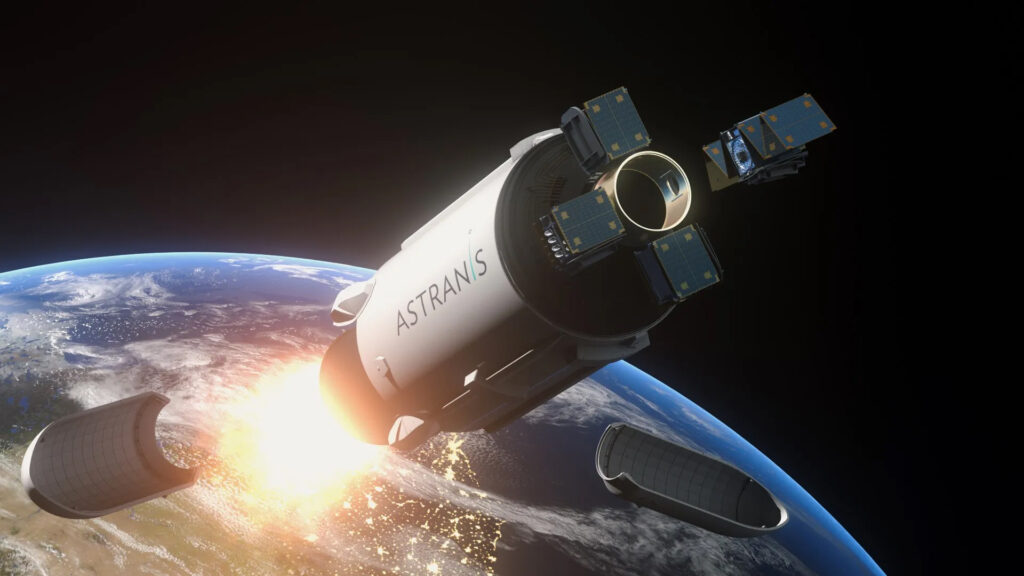
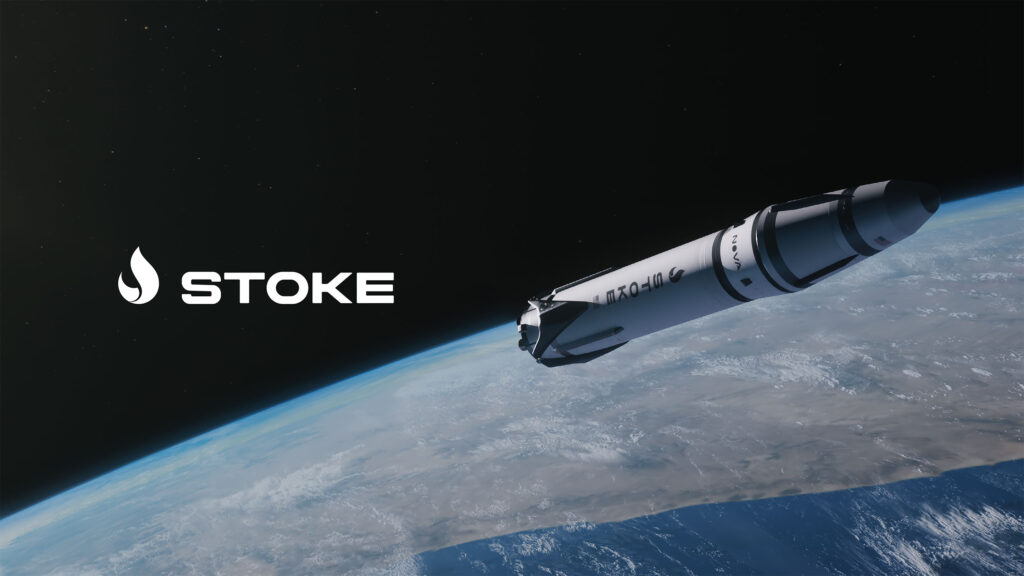
Venture debt, however, provides an attractive complement. It allows startups to secure non-dilutive capital to finance equipment, extend their runway, and bridge funding gaps without giving up significant ownership. This financing model has already proven effective for several notable space tech companies, including Astranis, Stoke Space, and Isar Aerospace, all of which have leveraged venture debt to propel their ambitious missions forward.
Case Studies: When Venture Debt Works in Space Tech
Astranis: Connecting the World from Space
Astranis is a prime example of why venture debt is vital in space tech. The company, which designs and builds small geostationary satellites to provide internet access in remote regions, has raised over $500 million through a combination of venture rounds and debt financing. Founded in 2015, Astranis launched its first satellite in 2023—an eight-year journey requiring substantial capital to cover development, manufacturing, and regulatory approvals. Venture debt enabled the company to extend its financial runway without over-relying on equity funding, ensuring it could bring its MicroGEO satellite technology to market.
Stoke Space: Pioneering Reusable Rockets
Stoke Space, focused on developing fully reusable launch vehicles, exemplifies another area where venture debt provides a strategic advantage. The company is tackling one of the most significant challenges in modern aerospace—drastically reducing the cost of space access through reusability. Given the capital-intensive nature of rocket development, Stoke Space has combined venture funding with debt financing to cover essential infrastructure, testing, and manufacturing costs. This approach allows the company to invest in long-term R&D while maintaining flexibility in its fundraising strategy.
Isar Aerospace: Democratizing Access to Space
Germany’s Isar Aerospace is another space tech startup leveraging venture debt to achieve its vision. The company is developing Spectrum, a cost-effective, small- and medium-satellite launch vehicle designed to improve access to orbit for commercial and institutional customers. Like its U.S. counterparts, Isar Aerospace faces long development timelines and high upfront costs. Venture debt provides a capital-efficient way to fund the company’s operational expansion, enabling it to scale without excessive dilution of founder equity.
Why Venture Debt Makes Sense for Space Tech
The unique challenges of space tech make venture debt particularly appealing for startups in this sector:
Extending runway without dilution: Unlike equity funding, venture debt allows founders to maintain greater ownership, which is crucial given the long time horizons before profitability.
Funding capital-intensive equipment needs: From launch facilities to satellite manufacturing, space tech requires substantial physical assets. Debt financing helps fund these without diverting equity capital.
Bridging financing gaps: Many space startups experience delays in development or launch schedules. Venture debt provides a financial buffer to navigate these challenges without disrupting operations.
Supporting growth between rounds: Companies like Astranis and Stoke Space have successfully used venture debt to supplement VC rounds, ensuring consistent progress even when markets are volatile.
The Future of Space Tech Funding
As space tech continues to evolve, the role of venture debt will only grow in importance. Investors and founders alike are recognizing that non-dilutive financing is not just a bridge between venture rounds—it’s a strategic tool that allows companies to scale efficiently, maintain financial flexibility, and bring game-changing innovations to market.
U.S. venture capital firms invested over $180 billion into high-potential startups in 2024, marking a 27% increase from the previous year. A significant portion of this investment was directed toward sectors such as artificial intelligence (AI), clean energy, and life sciences.
Venture capital remains a powerful force in startup financing—and companies that take a strategic approach to financing are in a strong position to thrive.
At ATEL Ventures, we’ve seen firsthand how savvy founders are using a mix of capital sources—venture equity, non-dilutive funding, and venture debt—to build and scale their businesses efficiently. Venture debt, in particular, is playing an increasingly valuable role in helping startups extend runway, accelerate growth, and maintain control over their future.
A Smarter Approach to Startup Financing
Venture debt is never a substitute for equity financing, but it does serve as a complement, offering companies an additional layer of flexibility and allowing them to fund growth initiatives, strengthen their financial position, and delay or optimize the timing of their next equity round.
By leveraging venture debt, startups can:
Extend their runway between equity rounds while maintaining more ownership
Invest in growth initiatives such as customer acquisition, hiring, and product expansion
Reduce dilution in an environment where valuation fluctuations may make equity funding more costly—long term, taking on venture debt is less expensive than surrendering equity, even more so when valuations are low
Build financial resilience, ensuring they have the flexibility to respond to opportunities and challenges
Maximizing Control and Optionality
In 2025 we see startups taking a much more deliberate approach to when and how they raise equity capital. Rather than raising funds at a suboptimal valuation, many are using venture debt to bridge funding gaps and reach milestones that increase their attractiveness to investors.
This approach allows founders to retain more ownership and maintain stronger negotiating power when the time comes to raise their next round.
Supporting Growth Across Key Sectors
We see companies across space technology, life sciences, AI, renewable energy, and advanced manufacturing successfully integrating venture debt into their financing strategies:
High-growth hardware companies are using venture debt to fund capital-intensive infrastructure
SaaS and AI startups are leveraging it for customer acquisition without excessive dilution
Climate tech and deep tech companies are using it to fund commercialization and scale production
A Positive Outlook for Venture Debt
Venture debt has long been a go-to strategy for well-funded startups looking to optimize their capital structure, and that remains true today. With non-bank lenders offering increasingly tailored solutions, the flexibility available to startups has never been greater.
At ATEL Ventures, we don’t see venture debt as a last resort—we see it as a sign of smart financial leadership. The startups that strategically combine equity and debt financing will be best positioned to scale efficiently, preserve ownership, and maximize long-term value.
ATEL Leasing Corporation has solidified its position as one of the Top 20 railcar lessors in North America, according to Progressive Railroading and the Official Railway Equipment Register. With a fleet serving a diverse range of industries, ATEL plays a critical role in supporting the logistics and transportation needs of some of the world’s largest companies.
ATEL’s railcars are leased to leading shippers such as Dow Chemical, BASF, Archer Daniels Midland, Cargill and ExxonMobil, as well as Class 1 railroads like Union Pacific and BNSF Railway. By offering flexible leasing solutions, ATEL enables these and other businesses to adapt to shifting market conditions while ensuring seamless and efficient transportation.
ATEL’s fleet supports the transportation of aggregates, cement, agricultural products, fertilizer, food, intermodal freight, lumber, forest products, paper, rolled steel and scrap, plastics, and construction materials. With a commitment to reliability, efficiency, and strategic flexibility, ATEL continues to be a trusted partner in railcar leasing, helping major businesses move essential goods across North America.
While railcars are a significant part of ATEL’s leasing portfolio, they are just one of many essential asset types the company finances. ATEL’s expertise spans everything from forklifts and heavy machinery to aviation, marine, and industrial equipment, ensuring many types of business are able to maintain the capital and flexibility to keep operations running efficiently.
With decades of expertise in railcar leasing and equipment financing, ATEL provides value beyond leasing alone. The company’s comprehensive solutions include mechanical support, maintenance and repair services, and logistics expertise, ensuring customers receive a turnkey approach to fleet management. ATEL’s leasing options include net and full-service operating leases, lease restructurings, and customized modifications to fit the unique needs of each client.
Find out more about the full breadth of ATEL’s equipment leasing solutions, here.